What we do

Make every acre profitable.

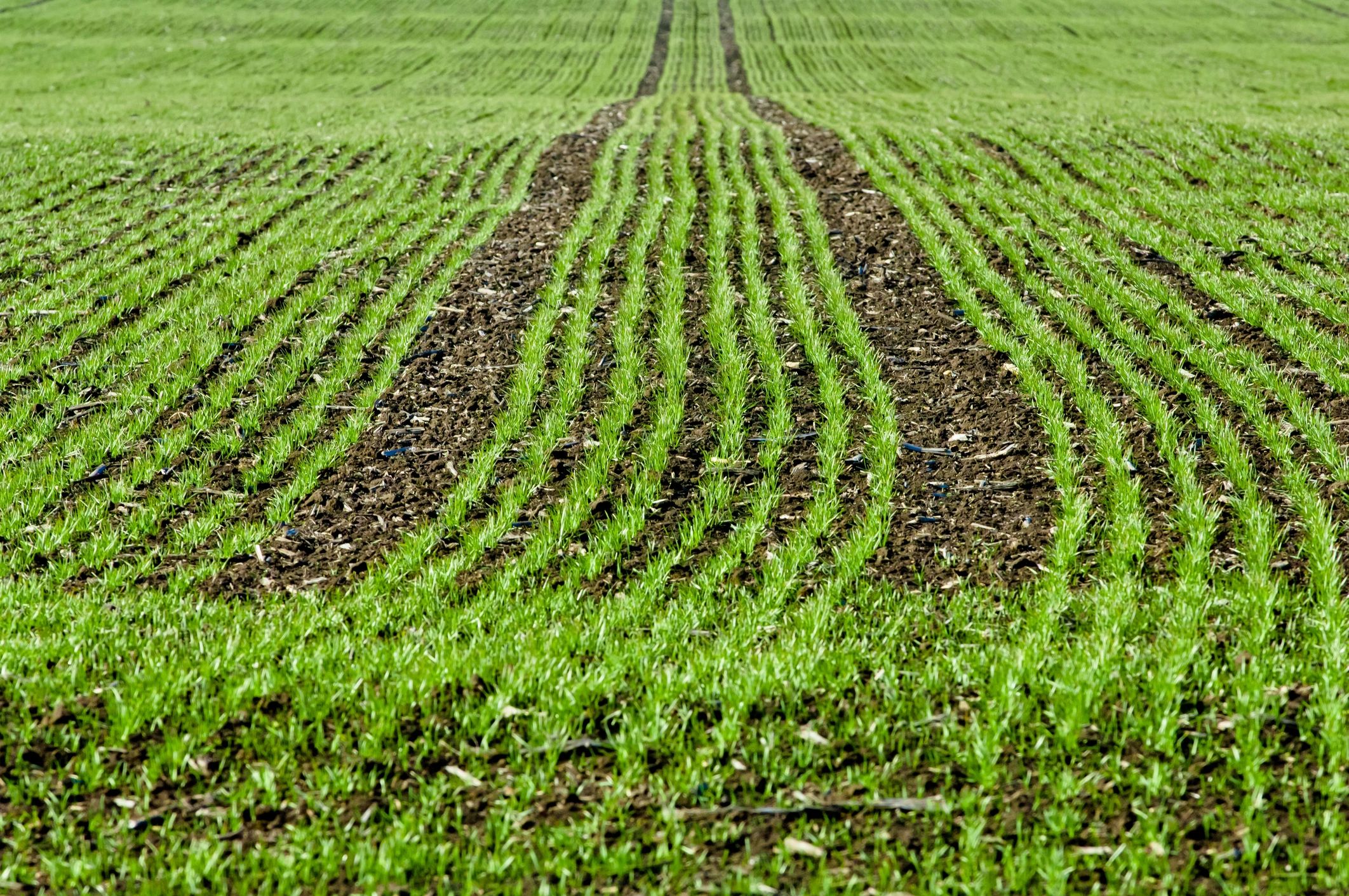
Soils are variable. Uniform rates are not. N-Sense replaces uniform management with site-specific decisions based on what is actually happening in the field.

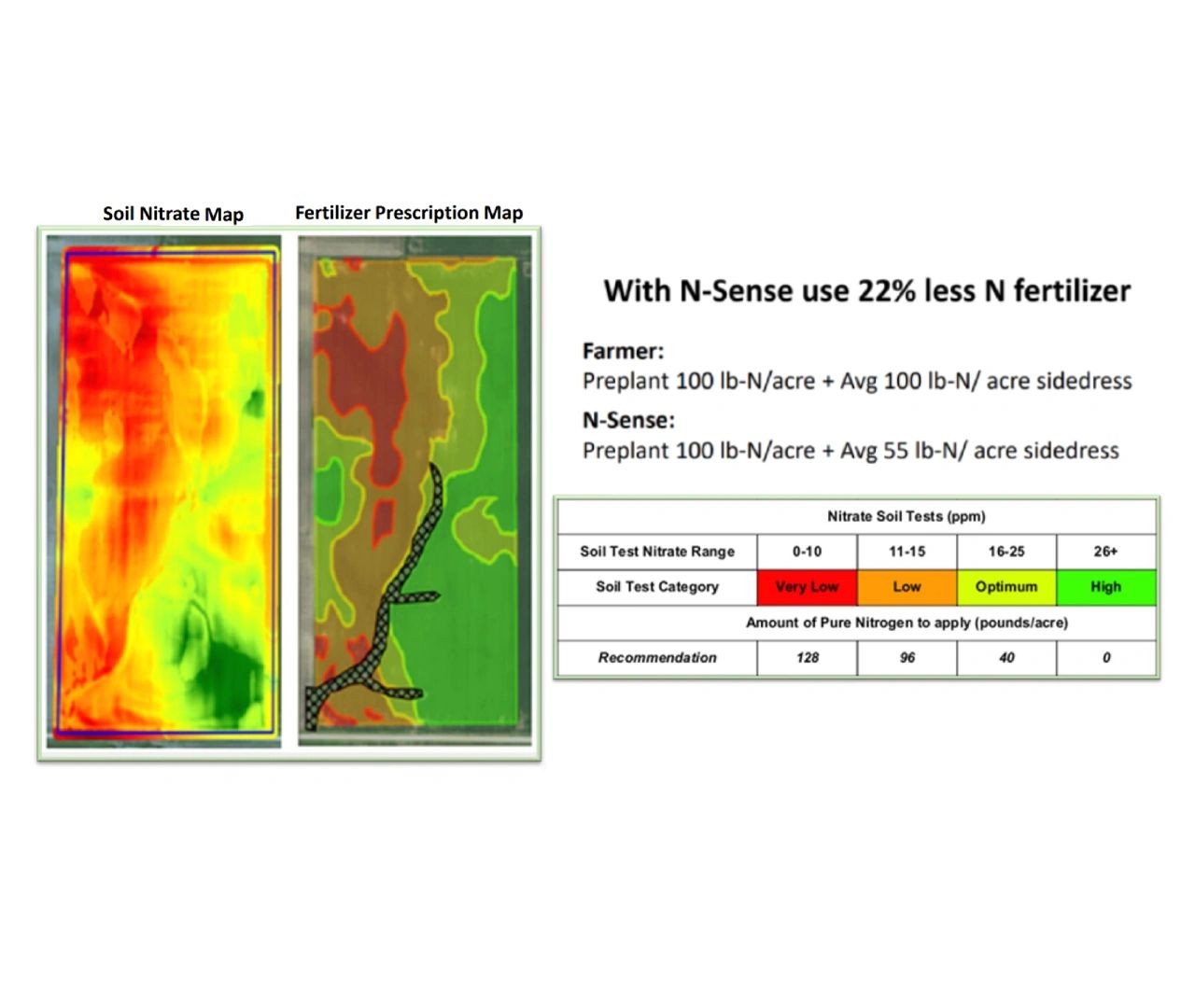
Variable-rate nutrient prescription map across a field

The problem

Stop managing variable fields with uniform inputs.

Farmers are being squeezed from both sides. Commodity prices remain under pressure while fertilizer, seed, crop protection, equipment and other production costs continue to rise. Under these conditions, profitability increasingly depends on getting more value from every dollar invested in crop production.

N-Sense helps farmers do exactly that.

Traditional nutrient management often treats large areas of a field as though they are uniform. But soils are highly variable. The amount of N, P and K already available to the crop can change substantially across a single field because of differences in soil organic matter, topography, drainage, management history, weather and other factors.

Applying the same fertilizer rate everywhere means some areas may receive more fertilizer than the crop needs while other areas may receive too little.

The system

Measure. Understand. Apply what the crop needs.

The N-Sense Precision Nutrient Management System combines field measurements, spatial data, advanced analytics and variable-rate prescriptions in one integrated platform.

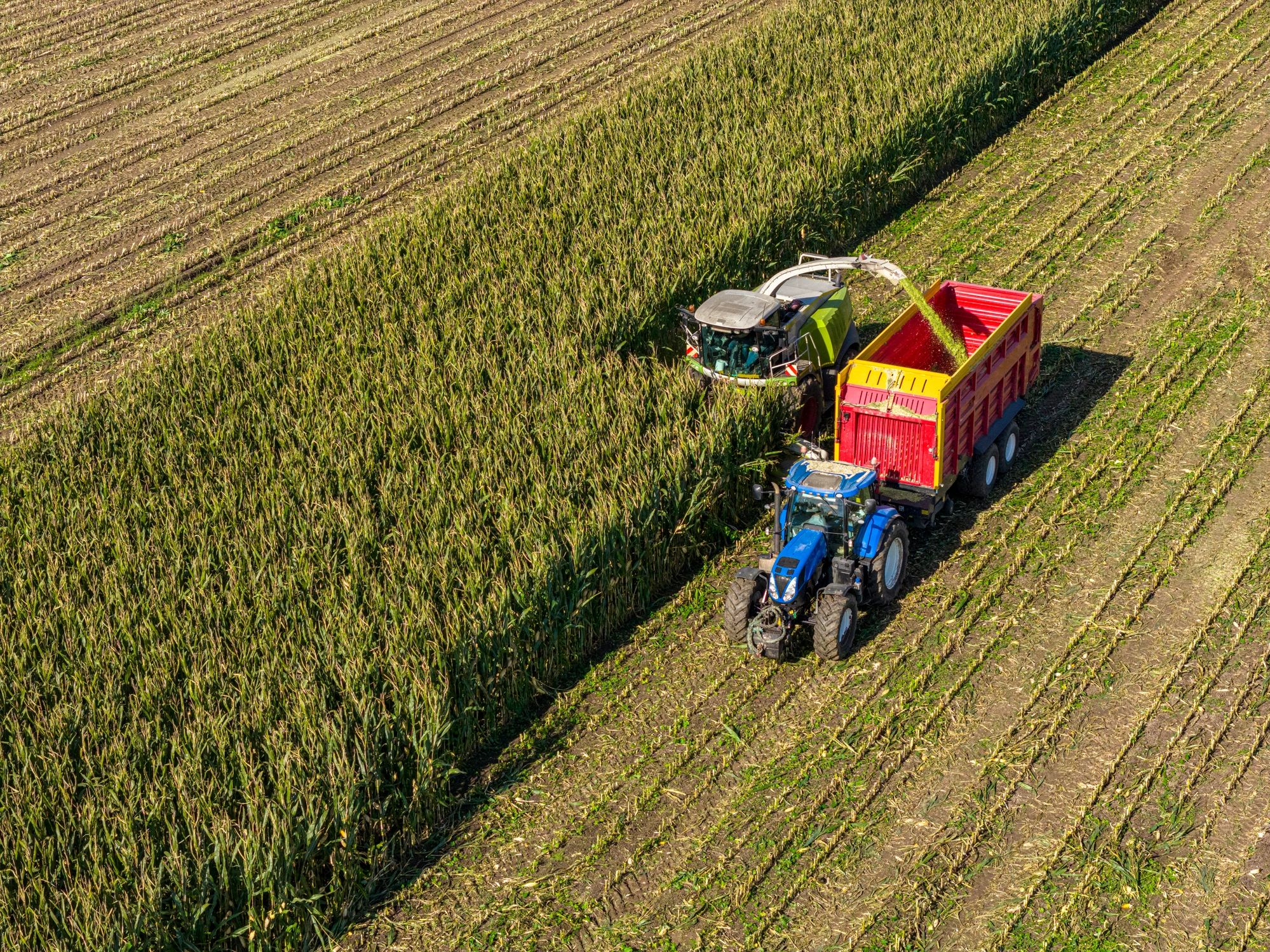
Nitrogen application in a corn field

Nitrogen

Sidedress nitrogen rates built from yield history, weather risk and a late-spring nitrate reading, rather than a regional average.

More than half of applied nitrogen never reaches the crop. Knowing where it is already in the soil is the cheapest way to stop paying for the half that leaves.

Soil sampling for phosphorus, potassium and micronutrients

Other nutrients

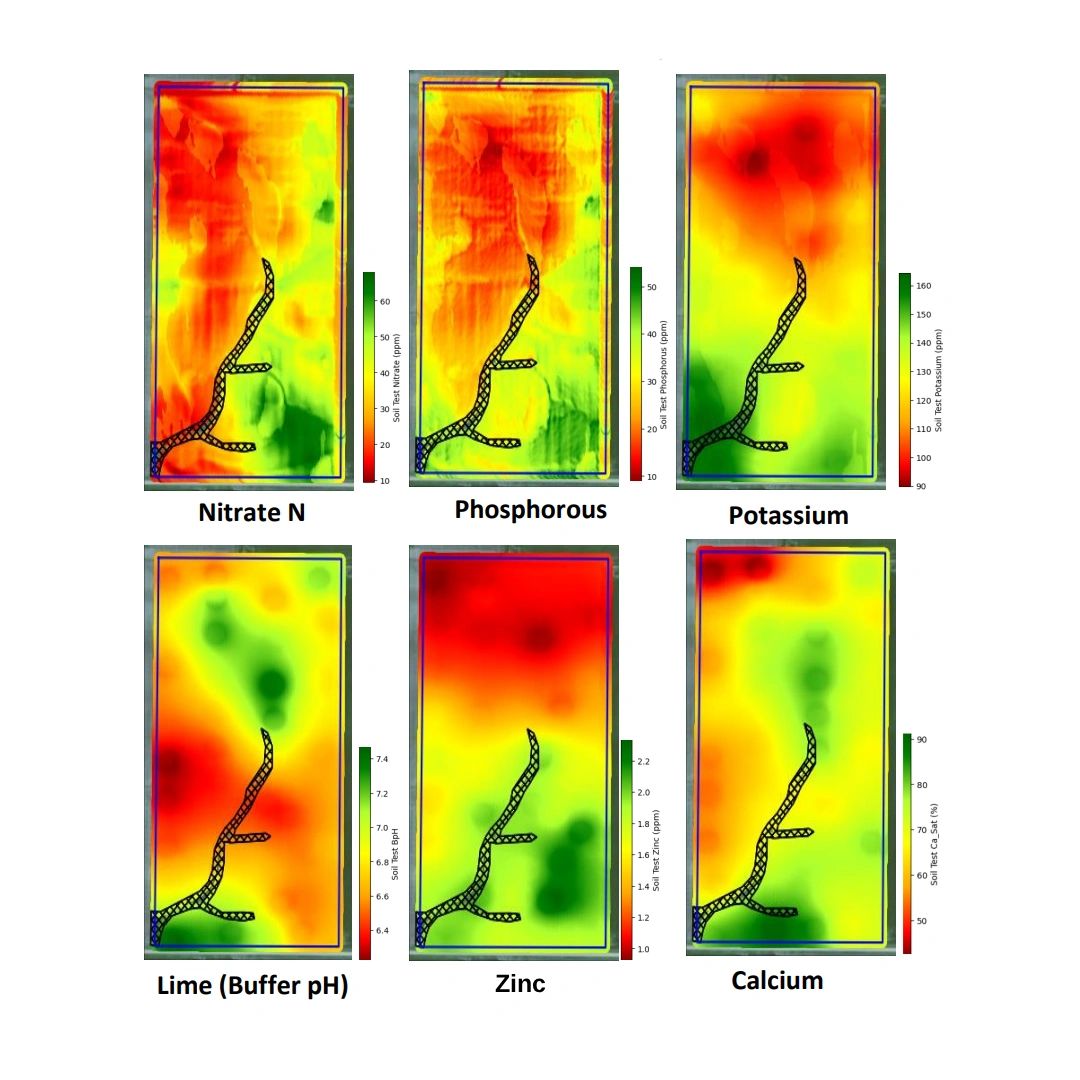
For phosphorus, potassium, sulfur, zinc, micronutrients and lime, N-Sense builds a custom high-resolution geospatial model of your field using LiDAR, soil survey and satellite-based remote sensing data — then calibrates the model independently for each nutrient using data from traditional soil tests for plant-available nutrients (P, K, S, Zn) and lime (buffer pH). The result is a set of high-resolution soil fertility maps, custom management zone maps and API-enabled prescriptions for each nutrient or fertilizer type.

Rather than relying solely on a few composite soil samples to represent hundreds of acres, N-Sense lets farmers and crop advisors characterize how soil fertility varies spatially across their fields.

From data to decision

Field intelligence, then a prescription.

N-Sense Field Management software showing soil property maps

Turn measurements into field intelligence

N-Sense Field Management software is the central hub for visualization, analysis and decision support.

The platform integrates field measurements with spatial information to create maps of soil and crop properties. Machine-learning algorithms analyze those data to identify meaningful patterns and management zones.

Variable-rate prescription generated from field intelligence

Convert information into prescriptions

Knowing that a field is variable is not enough.

N-Sense converts field intelligence into variable-rate nutrient prescriptions that can be transferred to fertilizer application equipment. The objective is simple: put the right amount of nutrient in the right place, and avoid paying for fertilizer the crop does not need.

Example scenario

Precision phosphorus & potassium on 64.5 acres

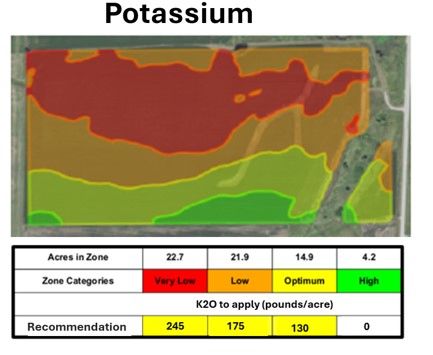
Potassium fertility map for a 64.5 acre field

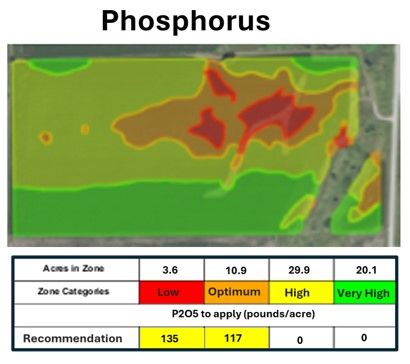
N-Sense’s analysis of a 64.5 (tillable) acre field revealed substantial differences in potassium and phosphorus fertility. The northern two-thirds of the field had low or very low potassium levels, while the southern third had optimum and high potassium levels. By contrast, 78% of the field had high or very high levels of phosphorus, and only 14.5 acres needed phosphorus fertilizer.

Phosphorus prescription map for a 64.5 acre field

Following N-Sense’s recommendations the farmer spent a total of $4,765 on P and K fertilizer including the cost of soil testing (prices: $650/ton for TSP, $440/ton for potash, and $1,000 for soil tests).

By contrast, a uniform application of P and K at maintenance rates (130 lb-K2O/acre and 117 lb-P2O5/acre) across the entire field would cost $8,525 for fertilizer and would have over-fertilized P on 50 acres and under-fertilized K on 45 acres. Potassium deficiency can result in yield losses up to 50%.

Assuming a yield loss of only 10% due to potassium deficiency on 45 of the 64.5 acres, a yield potential of 220 bu/ac and a corn price of $4.50/bu, the yield loss due to K deficiency would have cost the farmer another $4,415 for the field. Hence the total cost of a uniform maintenance-level P and K fertilizer application would have been about $12,940.

$9,297 saved The small investment in soil testing needed to support precision application of P and K fertilizer saved the farmer $9,297 on this 64.5-acre field.

The value

The value of precision goes beyond fertilizer savings.

Corn field under precision nutrient management

Build profitability one decision at a time

The economic value of precision nutrient management can come from several sources. Fertilizer savings are often the most immediate and easiest to quantify, but they are only the beginning.

For an illustrative 1,000-acre corn operation, N-Sense estimates that reducing sidedress nitrogen fertilizer by 30–50% could produce annual fertilizer savings of approximately:

$20,000–$34,000 per year

The example assumes 100 lb N/acre applied preplant, a conventional uniform sidedress application of 100 lb N/acre, and a 220-bu/acre corn yield.

But better nutrient management can create additional value.

Aerial view of farmland showing field variability

Stack the benefits

N-Sense is designed as an integrated precision-management ecosystem. Potential economic benefits identified for the full system include:

  • Reduced nitrogen fertilizer — apply sidedress N where it is needed rather than uniformly across the field.
  • Reduced phosphorus and potassium fertilizer — higher-resolution soil information supports more targeted nutrient applications and reduces applications where soil fertility is already adequate.
  • More targeted crop protection — spatial crop information supports spot treatment rather than blanket applications of herbicides, insecticides and fungicides.
  • Protect or increase crop yield — identify nutrient deficiencies and field variability early enough to make better management decisions.
  • Lower carbon intensity — more efficient nitrogen use can reduce the carbon intensity of crop production and may increase the value of grain sold into low-carbon markets.
  • Access conservation incentives — precision nutrient management practices may help producers qualify for applicable USDA conservation programs.

When these opportunities are combined, the potential economic impact can be substantially greater than fertilizer savings alone.

For the illustrative 1,000-acre corn operation used in the N-Sense analysis, the combined value of fertilizer savings, potential low-carbon grain premiums, conservation incentives, crop-protection savings and yield improvements was estimated at approximately:

$75,000–$200,000 per year

Actual benefits will vary by field, year, cropping system, input prices, program eligibility and management practices. The key principle, however, remains the same: better information enables better decisions, and better decisions improve margins.

In summary

One integrated precision management system

  1. Field measurement
  2. Spatial analysis
  3. Management zones
  4. Variable-rate prescription
  5. Precision application
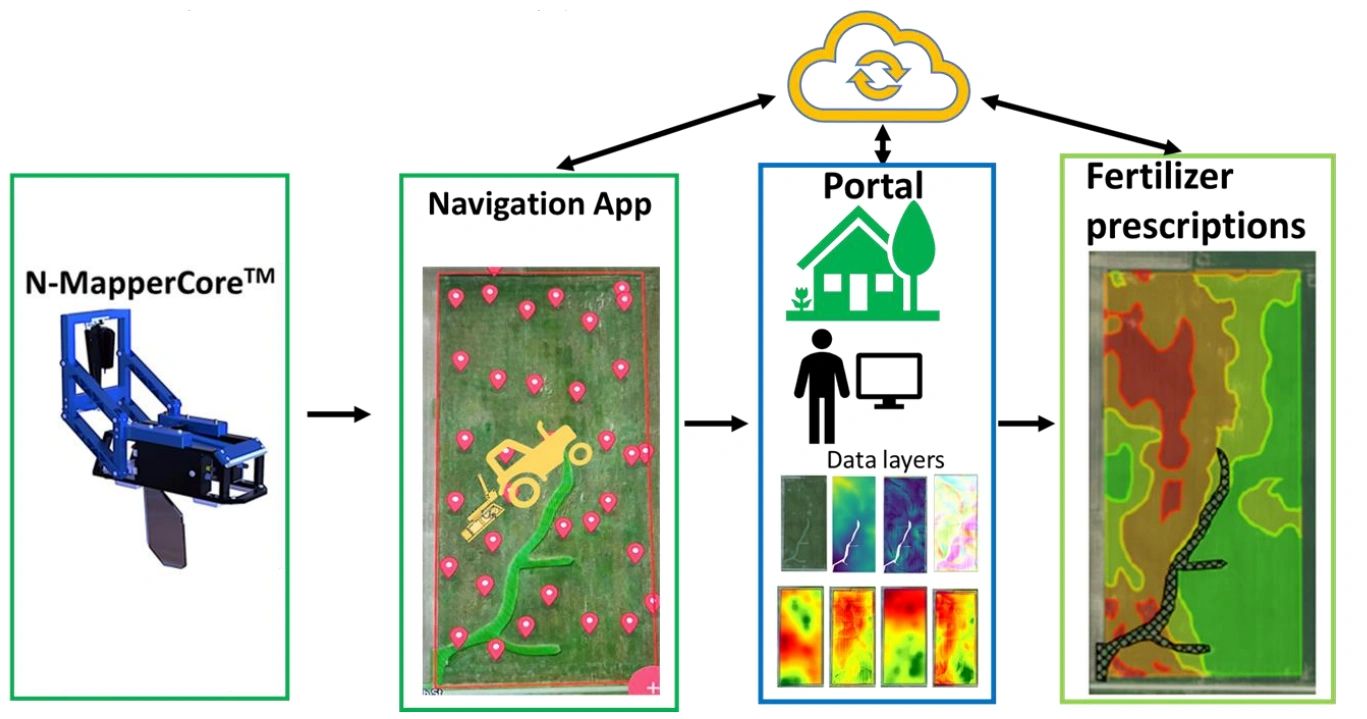
N-Sense integrated precision management system

The chain, end to end

  • N-MapperCore™ collects field information.
  • The N-Sense navigation system directs field sampling and measurement.
  • N-Sense Field Management integrates that data with other soil and crop information.
  • Machine-learning algorithms identify patterns and variability.
  • The platform generates management maps and variable-rate prescriptions producers can act on.

Instead of adding another disconnected layer of agricultural data, N-Sense turns data into a specific management action with a measurable economic value.

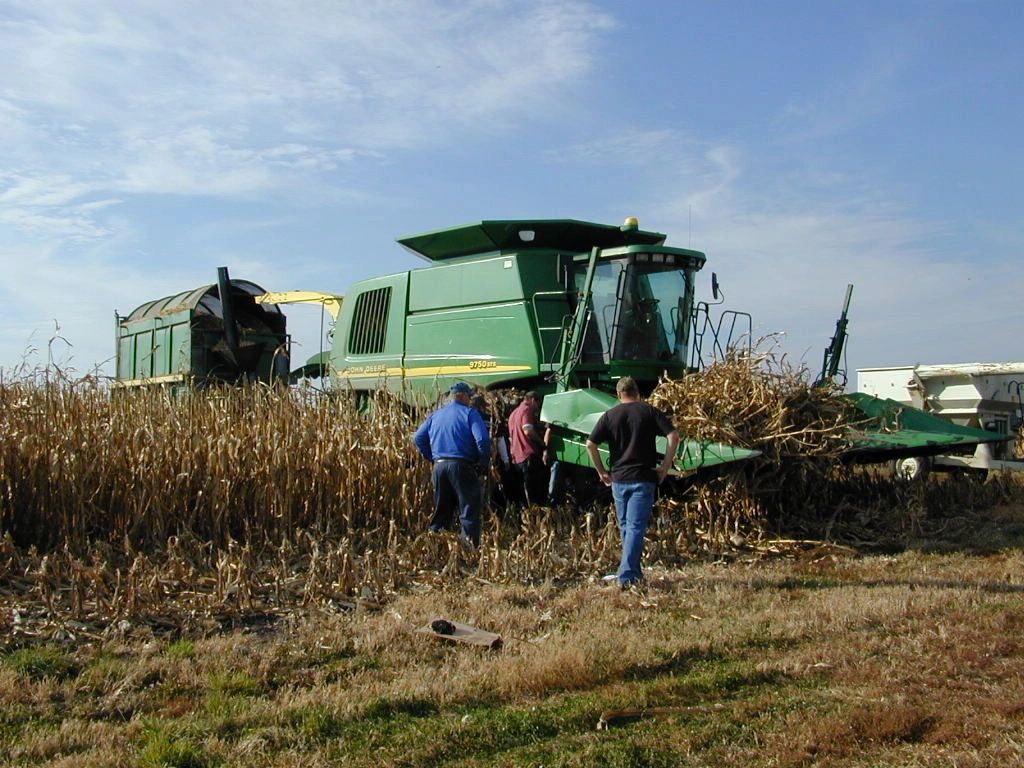
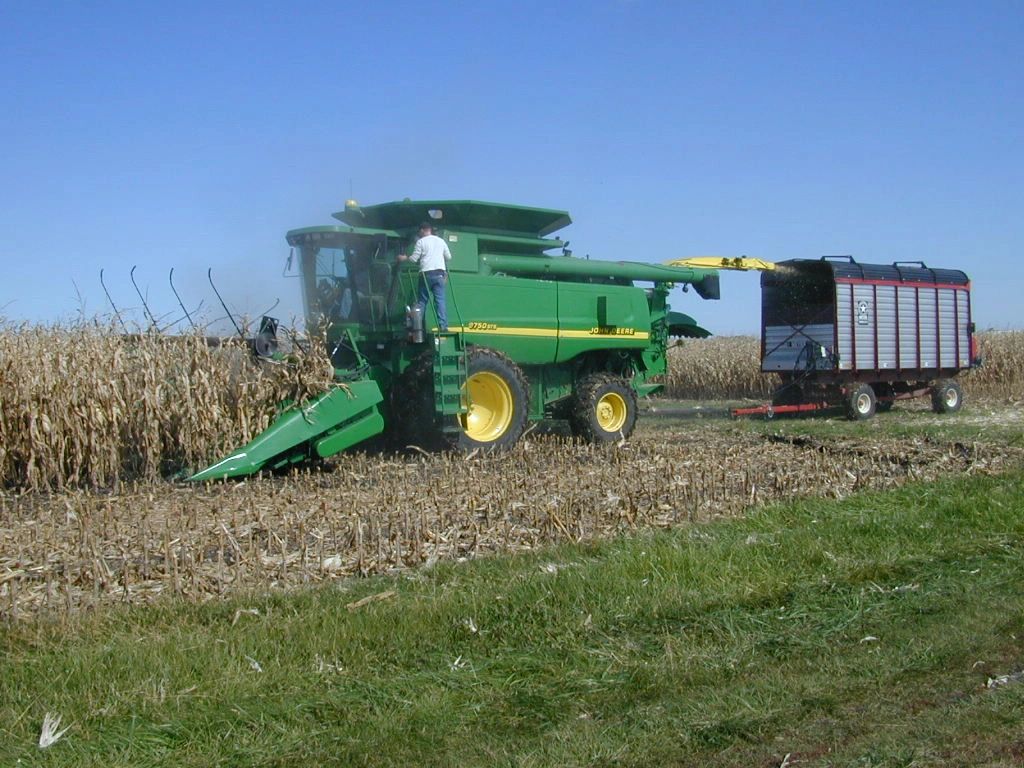
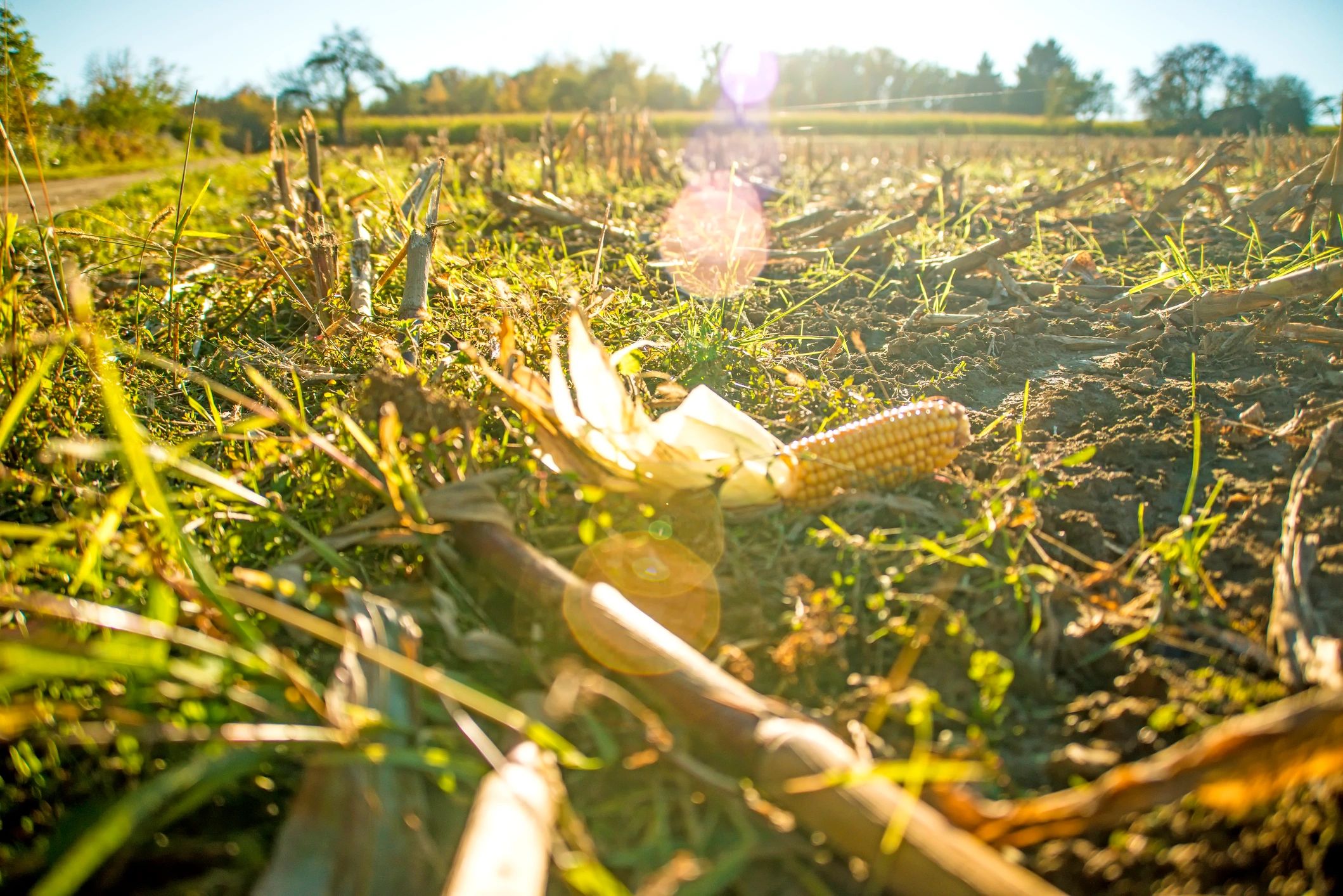
Corn crop at harvest

Produce more value from every acre

Precision agriculture is not about collecting more data. It is about making better decisions.

N-Sense gives farmers and crop advisors the information needed to identify where inputs will generate a return, and where they will not.

  • Use less where less is needed.
  • Apply more precisely where crops will respond.
  • Protect yield.
  • Reduce environmental losses.
  • Increase profit per acre.