What we do
From biochar to carbon credits.
N-Sense turns fragmented farm, production and application records into the traceable carbon-removal record needed to move biochar from biomass to a monetizable asset.
- Farmer
- Biochar producer
- Carbon market
Carbon accounting
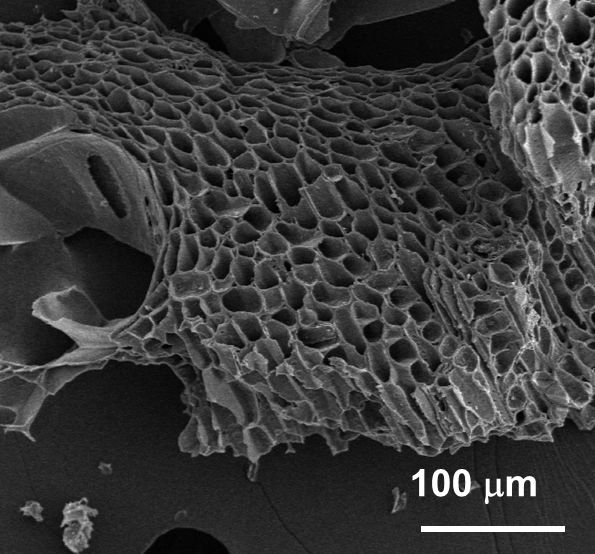
N-Sense simplifies biochar carbon accounting.
The farmer and N-Sense document what happens on the farm. The biochar producer documents what happens at the plant. N-Sense connects those records into a continuous digital chain of custody.
The problem
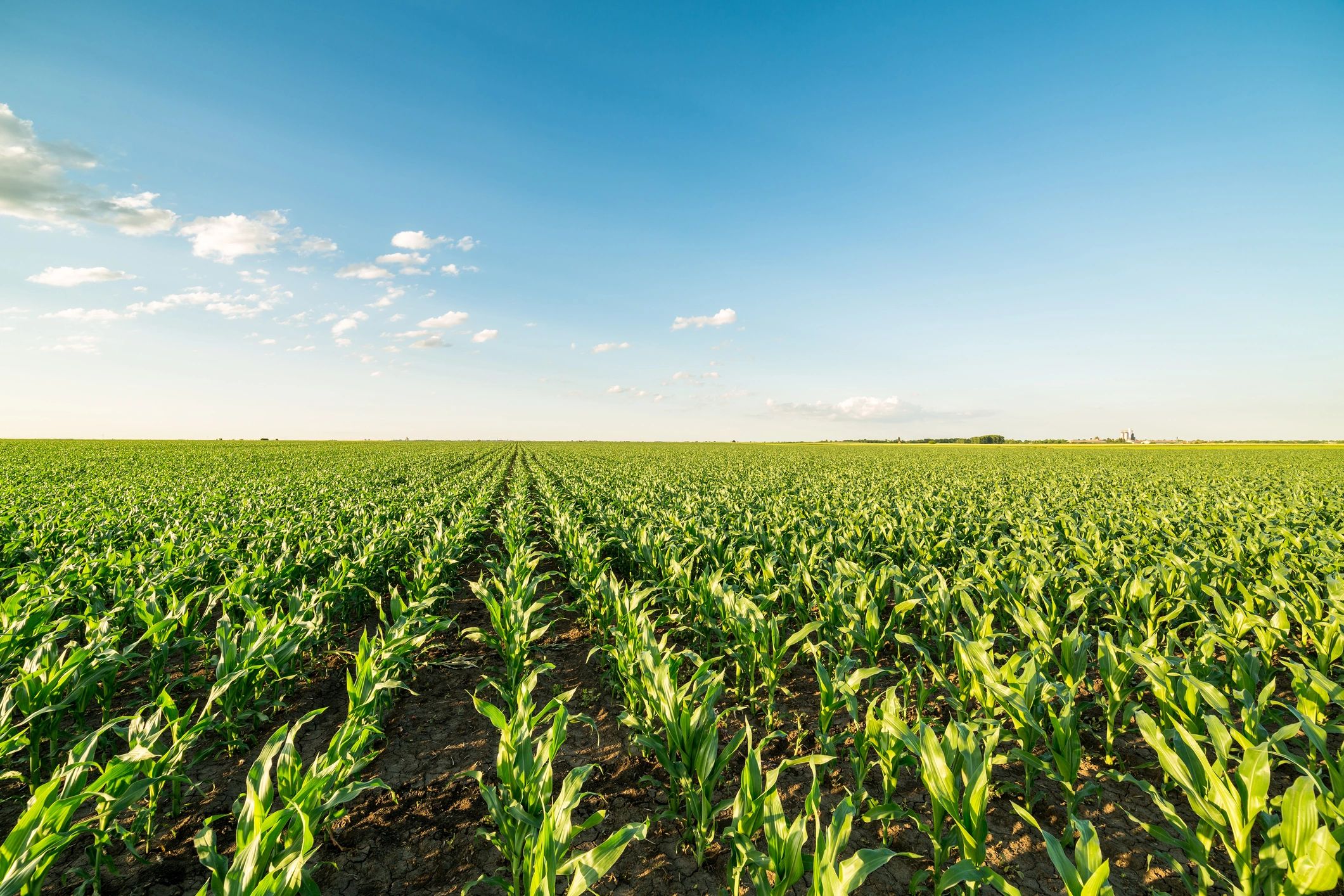
Biochar can provide durable carbon removal, but turning a truckload of biochar into a monetizable carbon credit requires a documented chain of custody extending from the original biomass to the final use of the biochar.
Records are needed to document:
- where the biomass feedstock came from;
- how the biochar was produced;
- biochar quantity, moisture, carbon content and stability;
- energy, transportation and processing inputs;
- how the biochar was incorporated into fertilizer or other products;
- where the product was shipped; and
- when, where and how much biochar was ultimately applied.
These records originate with farmers, biochar producers, laboratories, transportation companies, fertilizer manufacturers and applicators. If the information is not connected as the material moves through the supply chain, assembling a verifiable carbon-removal record later can be difficult and expensive.
What N-Sense does for the farmer
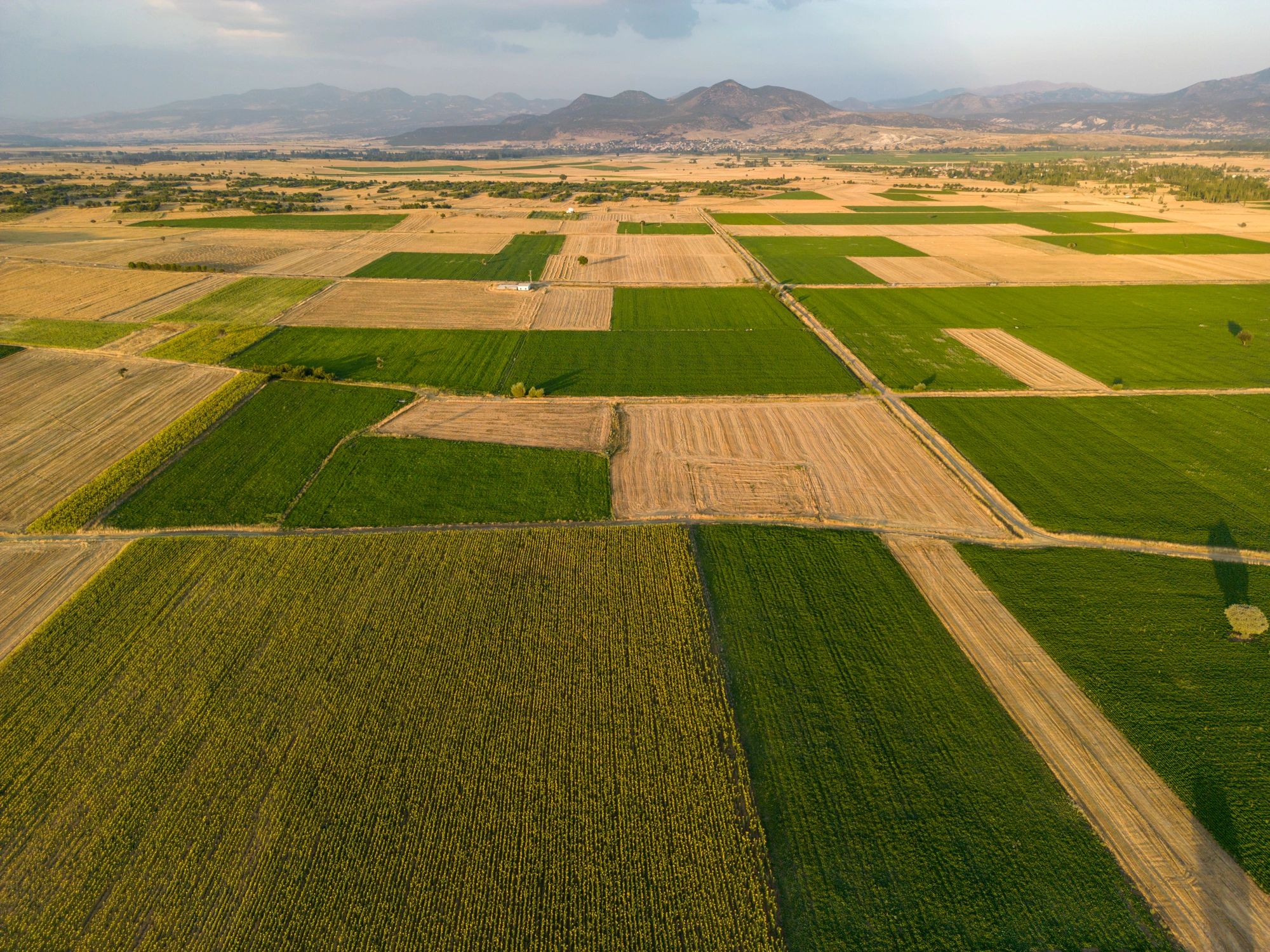
Farmers are experts at growing crops; they should not have to become carbon-accounting experts to supply crop residues to a biochar producer, use biochar products on their farms, or participate in the value created by carbon removal.
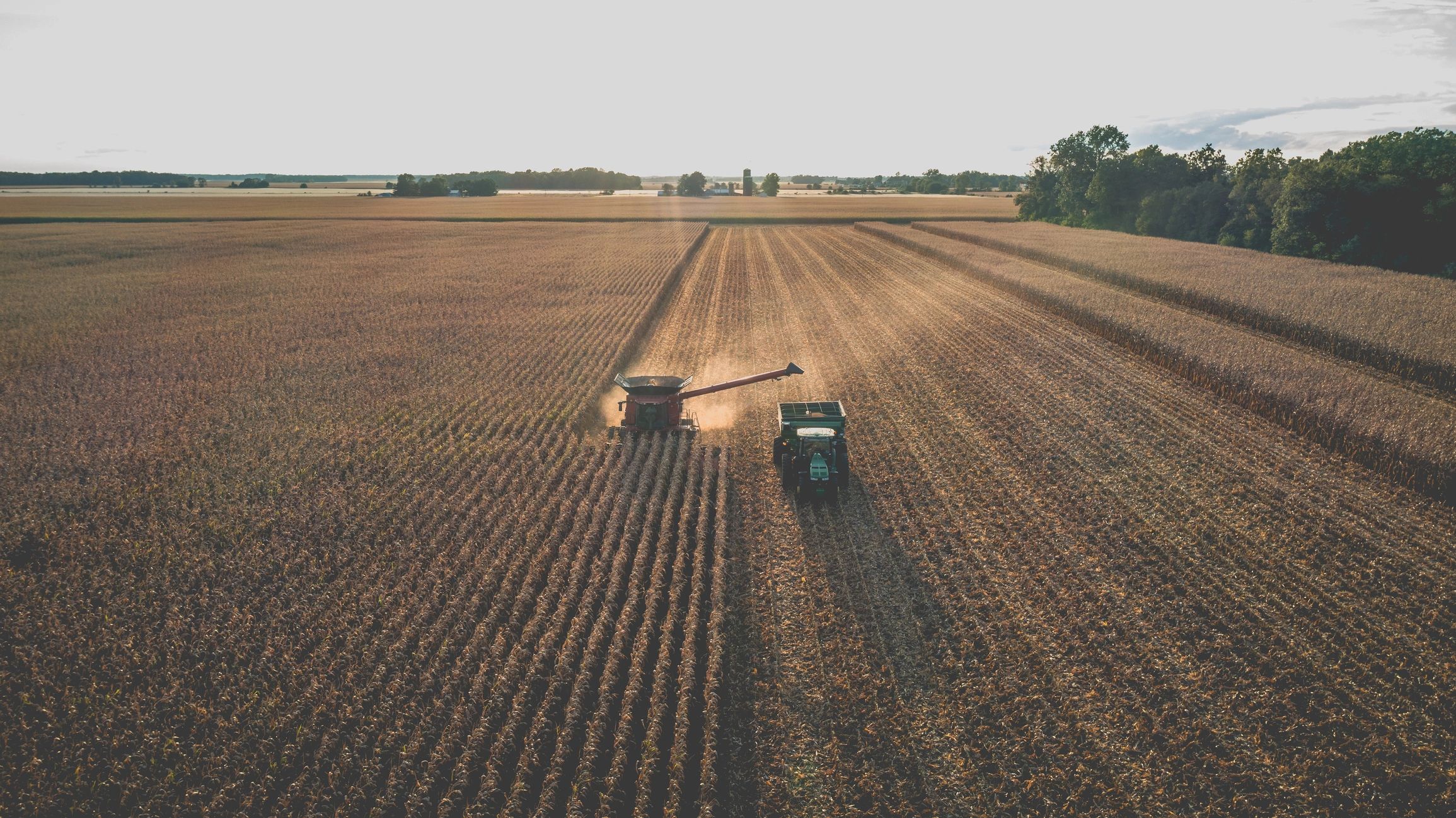
N-Sense manages the on-farm data needed to document both biomass feedstock production and biochar application, including:
- farm, field and management-zone boundaries;
- acreage;
- relevant crop and management records;
- biomass harvest and removal;
- field-operation dates and equipment;
- transportation and handling information; and
- biochar and biochar-fertilizer application rates and locations.
N-Sense can connect these records with GPS-enabled equipment, field maps, weigh tickets, laboratory data, product batch information and other digital records. The result is an organized record of where the biomass originated and where the resulting biochar ultimately returned to the agricultural system.
For farmers, N-Sense simplifies recordkeeping, supports participation in biochar carbon markets, and provides variable-rate biochar and biochar-fertilizer recommendations designed to improve agronomic value and nutrient-use efficiency.
What N-Sense does for the biochar producer
Biochar producers are experts in converting biomass into biochar and bioenergy products. They are also responsible for maintaining the production records required to document what happens to the biomass at the production facility.
The producer records information such as:
- feedstock received;
- biochar production batches;
- production equipment and operating data;
- energy inputs;
- biochar yield;
- laboratory measurements of biochar carbon, moisture and stability;
- processing and fertilizer-manufacturing records; and
- product storage and shipments.
N-Sense connects those producer records with the on-farm records collected before the biomass reaches the plant and after the biochar leaves it, creating a continuous chain:
- Farm feedstock
- Biochar production
- Biochar product
- Shipment
- Field application
N-Sense can also help producers develop biochar and biochar-based fertilizer products matched to different soils, farming systems and application methods — creating additional agronomic value for the same farmers who supply biomass and use the resulting products.
For biochar producers, N-Sense connects plant records with farm records to create an organized, traceable and auditable carbon-removal record.
Sell the carbon you are already storing.
Tell us where you sit in the chain — farm, plant or buyer — and we will show you what records you already have and what is missing.